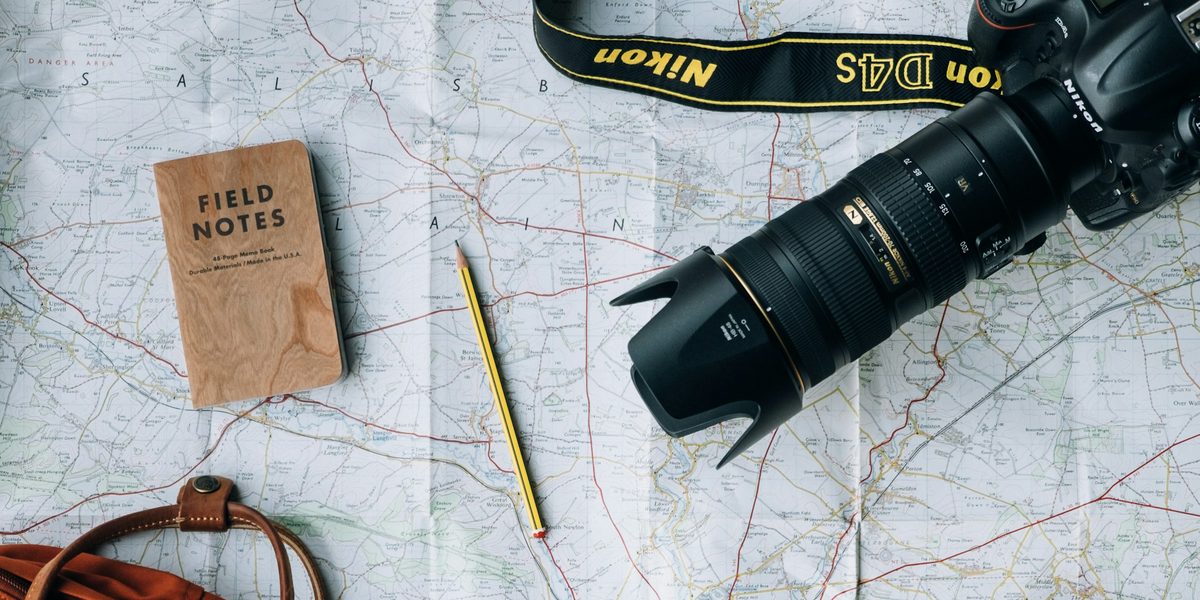
What to Pack for Guinea
Complete packing checklist tailored to Guinea's climate and culture
Climate Overview for Guinea
Guinea's climate swings hard. November to April, dry harmattan sweeps fine red dust across every surface. You feel grit on your skin. May to October flips the script. Heavy rain drums tin roofs and the earth smells alive. Humidity spikes, clothes stick. Evenings in the Fouta Djallon highlands bite cool. Pack layers for morning chill, midday blaze, sudden showers. Fabrics must fight mildew in damp air.
Clothing & Footwear

Conakry's cracked pavements and rural laterite paths punish flimsy soles. You step over shifting ground. Sturdy footwear is non-negotiable.

Humidity turns cotton soggy. Quick-dry synthetics keep you comfortable through long market strolls. You smell charcoal smoke, hear vendor chatter.

Compression cubes save suitcase space for the layers Guinea demands, from cool highlands to humid coast. They trap red harmattan dust inside.

Good for day hikes to Fouta Djallon waterfalls or weaving through Conakry's crowds. The bag folds into its own pocket, freeing hands for grilled plantains.
Electronics & Gadgets
Guinea uses Type C, F, and K plugs. This adapter keeps your devices alive in Conakry's older European-style sockets. Essential for bedside fans on sticky nights.

Power cuts hit without warning. A high-capacity bank keeps your phone ready for maps, translation, and photos when outlets vanish.

Braided nylon survives Guinea's rough roads. Carry one cable in the room, another in pocket. Never miss a shot.
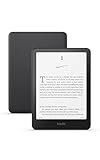
Good for long waits or quiet evenings. Glare-free under fierce sun, battery lasts where sockets are scarce.

Voltage spikes happen. This strip guards electronics and gives multiple USB ports from one guesthouse outlet.
Toiletries & Health

Clear sides speed security checks. They also corral liquids, shielding gear from leaks on bumpy Guinea roads.

Cuts, scrapes, upset stomachs occur. Pharmacies cluster in Conakry. Immediate supplies matter when you're hours away, smelling wild herbs.
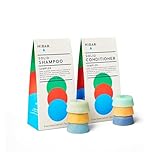
Solid bars won't leak. They last longer and cut plastic waste in Guinea's heat.

Keeps prescriptions dry and sorted. Weekly slots prevent missed doses between regions with spotty pharmacy stock.
Documents & Security
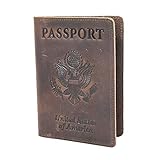
Holds passport, Guinea visa, vaccination cards. RFID lining blocks digital theft. Leather survives constant handling at checkpoints.

Wear cash and cards under clothes in Conakry's busy markets. Keeps valuables close, eyes on the scene.
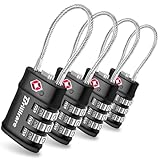
Lock bags during transit and in guesthouses. Combination means no keys to lose. Use on main pack and daypack.
Comfort & Convenience

Long drives on Guinea's winding roads punish the neck. Memory foam molds to you, whether in a shared taxi or small plane.

Blocks dawn light and street lamps. Thin guesthouse curtains won't help. Sleep arrives faster.

Drowns crickets, distant music, early calls to prayer. Guinea's night soundtrack fades.

Rolls up when empty. Fill with treated water after a day under fierce sun. Cool relief.

Guinea's rainy season delivers sudden deluges. A windproof umbrella keeps you dry while rain taps overhead.
Outdoor & Hiking Gear

Muddy Fouta Djallon trails get slick. Poles steady you and spare knees on climbs to misty waterfalls.
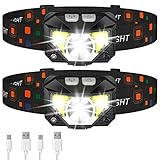
Power cuts plunge villages into darkness. A headlamp keeps hands free when streetlights vanish.

Tap or stream water needs treatment in remote villages. This bottle delivers clean sips without worry.

Small but important. Whistle signals for help on lonely trails. Compass keeps bearings in rural Guinea.
Seasonal Packing Adjustments
What to add or skip depending on when you visit
Dry Season
November, December, January, February, March, April
Add: Bandana or scarf, Sunglasses with UV protection, Lip balm, Lotion
Shop Dry Season essentials →Skip: Heavy rain jacket
Harmattan dust is relentless. A scarf shields nose and mouth. Lotion fights dry skin. Days blaze, nights cool.
Rainy Season
May, June, July, August, September, October
Add: Quick-dry towel, Waterproof bag covers, Antifungal powder, Sturdy waterproof shoes
Shop Rainy Season essentials →Daily torrents are routine. Humidity slows drying. Quick-dry clothes and waterproof shells rule. Mosquitoes increase. Repellent is critical.
Luggage Recommendation
Choose a 40-50 liter backpack. Hybrid wheeled packs work if you must roll. Guinean roads punish hard suitcases. Lockable zippers and dust-resistant fabric matter. You carry your own bag daily. Pack light, move easy.
Shop Carry-On Luggage on AmazonPro Packing Tips
Practical advice from experienced travelers
Don't Pack
- Skip the full-size shampoo. Heavy bottles drag you down. Conakry supermarkets like Score or Citydia stock every brand you need. Buy there, save space.
- Leave the snack stash behind. Guinean markets overflow with sweet mangoes and pineapples. Cheaper, juicier, and fresher than anything you haul. Taste beats packaging.
- Ditch the thick guidebook. Pages age fast. Download a digital guide instead. Lighter, searchable, always current for Guinea.
- Leave flashy watches at home. Expensive jewelry turns heads for the wrong reasons. Crowded Guinean streets feel safer without sparkle.
- Skip the beach towel bulk. Pack a lightweight pagne instead. Any market in Guinea sells them. Wrap, sarong, souvenir, done.
- One paperback is enough. Multiple heavy novels weigh you down. An e-reader solves the problem. Travel light through Guinea.
Buy Locally
- Buy your SIM on arrival. Orange and MTN run official stores in Conakry. Grab a Sim card there. Reliable data follows you across Guinea.
- Head to Madina Market. Pick up vividly patterned pagne for pennies. Use it as scarf, sarong, or gift. Instant culture in cloth.
- Hunt down raw shea butter. Local markets sell high-quality karité by the lump. Slather on skin and hair. Natural, cheap, effective.
- Refill from 1.5L bottles. Roadside shops and supermarkets sell them cheap. Safe water supply secured. Keep your reusable bottle topped up.
- Shop any local market. Bananas, citrus, and peanuts cost pocket change. Taste Guinea while you support locals. Fresh beats imported every time.
Packing Hacks
- Roll clothes instead of folding to save space
- Pack shoes in shower caps to protect clothes
- Use packing cubes to stay organized
- Keep essentials in your carry-on
Continue Planning Your Trip
More guides to help you prepare